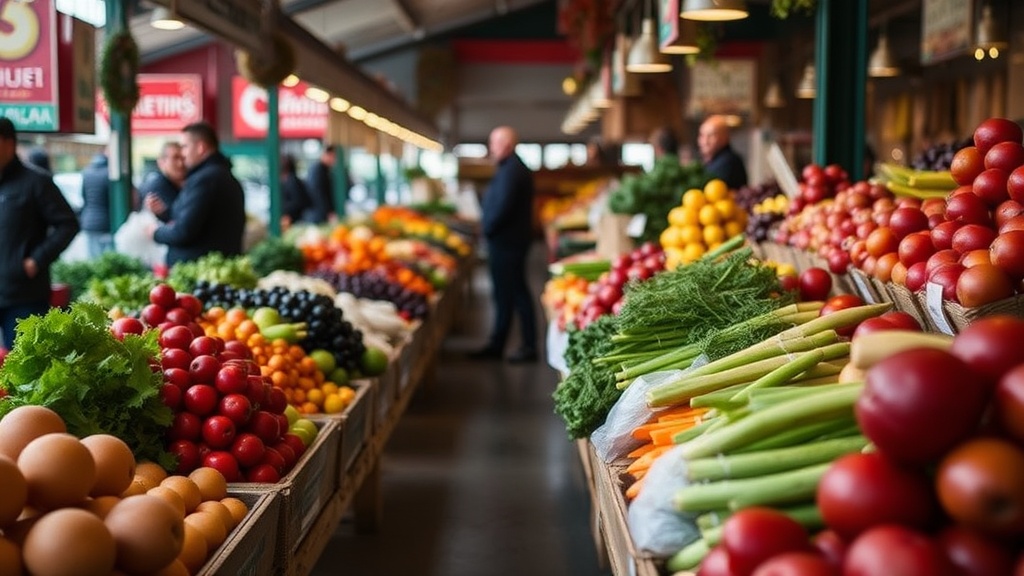
Finding the Best Seasonal Produce at the Saint-Lambert Market

Most people think that shopping for seasonal produce in Saint-Lambert means a quick trip to the local grocery store chain. It doesn't. If you want the actual peak of Quebec's harvest, you have to go to the source. This guide explains how to time your visits, what to look for in specific seasonal categories, and how to identify high-quality produce at our local markets.
The Saint-Lambert market scene is a direct link to the agricultural richness of the Montérégie region. You aren't just buying a tomato; you're buying a specific window of time. If you miss the window, you miss the flavor. It’s that simple.
When is the Best Time to Visit the Market?
The best time to visit depends entirely on what you want to eat, but generally, early Saturday mornings offer the widest selection of fresh arrivals. Most vendors set up their displays early to catch the morning rush. If you arrive at 11:00 AM, you'll often find the most popular items—like heirloom tomatoes or fresh berries—already sold out.
Timing isn't just about the time of day; it's about the month of the year. Quebec's growing season is intense but short. You can't expect strawberries in October. Instead, you have to track the seasonal shifts. Here is a quick breakdown of what to expect when:
- Late May to June: The arrival of leafy greens, radishes, and early spring herbs.
- July to August: The peak of stone fruits (peaches, plums) and the heavy hitters like tomatoes and cucumbers.
- September to October: The transition to root vegetables, squash, apples, and hearty greens.
I've noticed that the energy of the market changes with the seasons. In the summer, it’s high-energy and fast-paced. In the fall, it feels a bit more grounded and focused on preservation-style crops. (Pro tip: bring a sturdy tote bag—the heavy squash will break a cheap plastic one.)
How Do I Know Which Produce is Truly Fresh?
You determine freshness by checking the scent, the weight, and the skin texture of the item. For example, a high-quality melon should smell sweet at the stem, and a heavy tomato should feel substantial for its size. If a vegetable looks bruised or overly soft, it's likely been sitting in a crate for a few days.
Don't just grab the first thing you see. Look at the color. A vibrant, deep color usually indicates a high concentration of nutrients and peak ripeness. If you're looking for specific information on nutritional standards, the Government of Canada provides excellent resources on food safety and nutritional value.
Here is a quick reference guide for seasonal shopping:
| Season | Top Produce to Seek Out | What to Look For |
|---|---|---|
| Spring | Asparagus, Radishes, Peas | Firm stems, bright colors |
| Summer | Berries, Tomatoes, Zucchini | Strong aroma, heavy weight |
| Fall | Apples, Squash, Root Veg | Hard skins, no soft spots |
I always tell my friends to look for the "ugly" produce too. Sometimes the slightly irregular-shaped heirloom tomato is the one that actually tastes like summer. Perfection in shape often means it was grown for aesthetics, not necessarily for flavor.
What Should I Buy for the Best Value?
You get the best value by buying what is currently in abundance in the Montérégie region. When a specific crop is at its peak, the prices drop and the quality spikes. Buying out-of-season produce is a waste of money because you're paying a premium for items that were shipped from much further away.
If you want to understand the science behind why certain crops are more nutritious at certain times, the Wikipedia page on seasonal food offers a great deep dive into the biological reasons behind these cycles. It's not just about flavor; it's about the nutrient density that comes with local harvests.
On the flip side, if you are on a budget, focus on the "hard" produce. Items like potatoes, onions, and winter squash are much more affordable and have a much longer shelf life in your pantry. This is a great way to bridge the gap between market days without breaking the bank.
If you're looking for a great way to start your weekend before heading to the market, you might enjoy a morning coffee crawl through Saint-Lambert's best cafés. Grab a latte first, then head over to the market with a clear head and a full stomach.
The Importance of Local Sourcing
Shopping at a local market isn't just a hobby; it's a way to support the local economy. When you buy from a vendor in Saint-Lambert or the surrounding areas, your money stays in the community. It also means the "food miles"—the distance your food travels from farm to plate—are drastically reduced. This results in a lower carbon footprint and fresher food for your table.
The quality difference is night and day. A tomato that has traveled 3,000 kilometers in a refrigerated truck will never have the same texture as one picked yesterday in a nearby field. You can taste the difference in the acidity and the sweetness. It's a direct result of the soil and the local climate.
One thing to keep in mind: local farmers are at the mercy of the weather. A particularly wet spring or a late frost can change the availability of certain goods. Don't be discouraged if you can't find your favorite herb one week. That's just the reality of seasonal eating.
Quick Tips for a Successful Market Trip
- Bring Cash: While many vendors now take cards or digital payments, some smaller-scale farmers still prefer cash or may have spotty internet connection.
- Bring Reusable Bags: Not just for the environment, but for structural integrity. Heavy items need support.
- Ask Questions: The vendors are experts. Ask them how to cook that specific vegetable or how long it will stay fresh on your counter.
- Check the Labels: Ensure you are buying truly local products.
The market is a living, breathing part of our town. It's a place to see neighbors and connect with the land. It's much more than a grocery run; it's an experience. If you find yourself wandering near the water after your shopping, you might want to check out the dynamic core of Saint-Lambert to see how these local connections shape our community.
Don't be afraid to experiment with new vegetables. If a vendor is selling something you've never seen before, buy a small amount. Try a new recipe. That's the whole point of seasonal shopping—it forces you to expand your palate and respect the natural rhythms of the year.
Steps
- 1
Check the Seasonal Calendar
- 2
Arrive Early for the Best Selection
- 3
Bring Reusable Bags and Small Change
- 4
Talk to the Farmers